You must have regular cleaning based upon potential hazards, operational volume, allergen concerns, and regulatory checks, plus verification documentation demonstrating food safety protocols, inspection results, and public health standards. The information below describe critical cleaning system elements.
Essential Summary
- Food safety cleaning specialists in Brampton support restaurants, grocery departments, commissaries, warehouses, bakeries, schools, mobile vendors, and allergen-sensitive operations.
- Cross-contamination reduction is maintained by cleaning high-touch surfaces, food-contact equipment, kitchens, floors, drains, restrooms, and storage areas with compartmentalized approaches.
- Qualified specialists check proper chemical concentration, suitability, and exposure duration, then document finishing with samples, reviews, and corrective-action records.
- Hygiene schedules need to comply with hazard, production volume, transitions, releases, and standards, with routine, periodic, and cyclical operations assigned by location.
- Highlight providers demonstrating hazard analysis knowledge, sanitation expertise, WHMIS education, insurance, references, coded implements, and inspection-ready sanitation paperwork.
What Brampton Operations Require Food Safety Cleaning?
Food safety cleaning is required for any Brampton facility that manages, stores, prepares, packages, or distributes food. Apply it to your business if it falls within health oversight, food standards, or HACCP systems. This includes restaurants, cafeterias, commissaries, grocery food departments, butcher shops, seafood counters, convenience stores, and institutional kitchens.
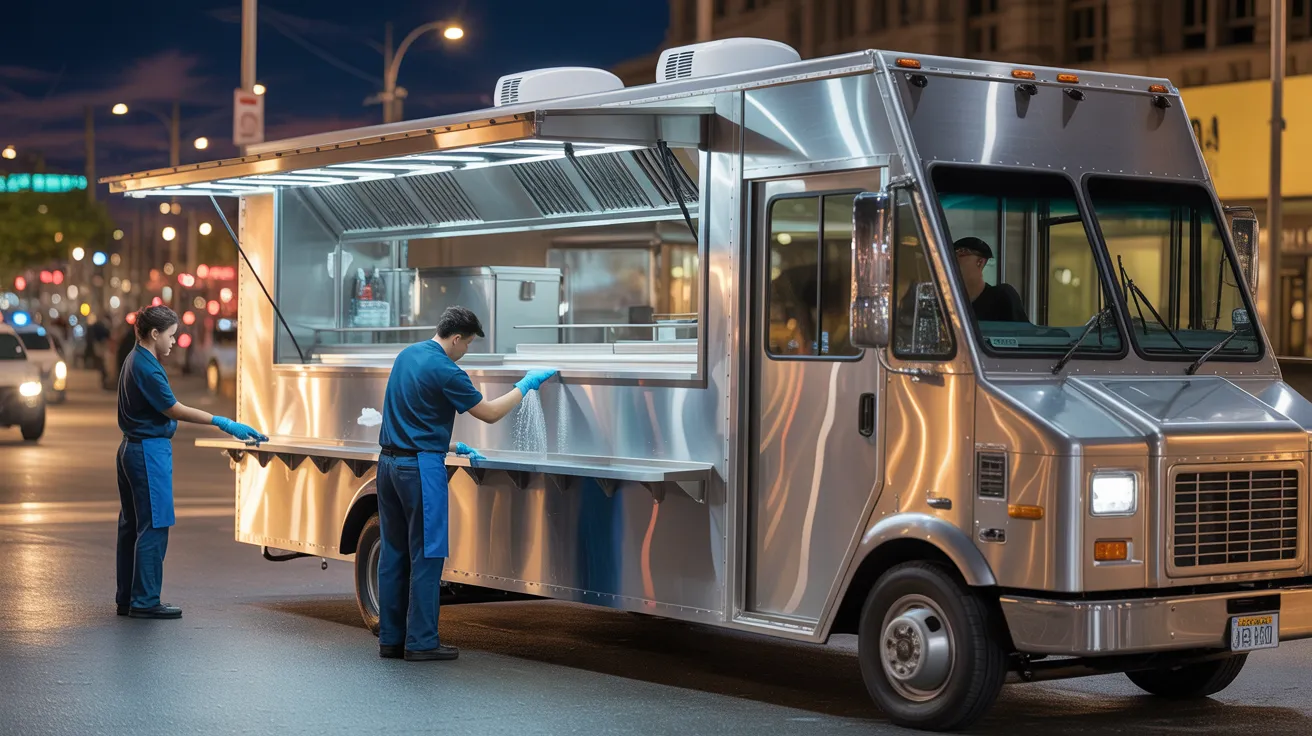
Documented food sanitation is also essential in supply facilities, manufacturing operations, cold storage areas, bakery retailers, educational nutrition programs, banquet halls, and food delivery hubs. Mobile and temporary operations count as well, including catering trucks, festival vendors, and pop-up food booths. Your venue demands written cleaning standards if your employees handle raw materials, divide prepared foods, warm meals, or maintain allergen storage. In Brampton, hygiene remains not voluntary; it comprises statutory, functional, and public health standards.
What Services Do Brampton Cleaning Experts Provide?
You need cleaning experts who sanitize high-touch surfaces, kitchens, floor surfaces, and bathrooms to meet food safety and public health standards. They target these areas because they pose the greatest danger for contamination spread, slip hazards, and hygiene violations.
By understanding their service scope, you can make sure your facility's cleaning procedures meet compliance standards.
Disinfecting High-Touch Areas
arrange sanitization intervals determined by traffic, contamination risk, and operational use.
if results fall outside required ranges. They further eliminate secondary contamination through replacing towels, following directional cleaning patterns
Kitchen Areas, Floor Surfaces, and Bathroom Spaces
Expect Brampton cleaning experts to focus on kitchens, floors, and restrooms because each area carries distinct food safety, accident prevention, and sanitation risks. In industrial kitchens, you need degreasing on cook lines, equipment exteriors, drains, prep surfaces, and splash zones to reduce bacterial growth and pest activity.
You should also expect documented flooring maintenance. is likewise provided as part of the service.
For restroom sanitation, cleaners disinfect touchpoints, fixtures, partitions, dispensers, and waste containers, then refill items and eliminate smells. They also service restaurant moprooms, where chemical storage, sink hygiene, and drainage conditions can affect sanitation compliance and staff safety daily.
Food Safety Cleaning Significance for Brampton Businesses
Brampton businesses need to implement proper sanitation practices for meeting legal standards and obtaining approval. You also reduce cross-contamination by cleaning and sanitizing food-contact surfaces, equipment, and high-touch areas correctly. Most importantly, you help protect community wellness by reducing the chance of food poisoning in your establishment.
Sanitary Standards Adherence
Because Brampton food businesses operate under strict public health standards, food safety cleaning directly influences your competence to adhere to health code requirements, defend customers, and sidestep enforcement action. You must maintain sanitized food contact points, documented cleaning schedules, proper chemical use, and traceable training practices that correspond to municipal and provincial inspection expectations.
Inspectors evaluate your operation to verify that your sanitation system maintains secure product handling, appliance cleanliness, waste handling, and facility cleanliness.
Cross-Contamination Avoidance
Maintaining regulatory compliance copyrights on your capacity to prevent cross-contamination during daily food handling and cleaning. You need to partition uncooked items from finished dishes, sanitize prep surfaces between tasks, and store chemicals away from food-contact items. Explicit protocols lower contamination threats and reinforce steady regulatory adherence.
Building allergen segregation prevents priority allergens from contacting shared surfaces, containers, or equipment. Utilize dedicated cutting boards, color-coded tools, and precise instrument labeling so staff don't mix items during preparation or service.Mandate hand cleaning following raw meat, seafood, eggs, or allergen-containing products. Swap wiping cloths regularly, and confirm disinfectant efficacy using test strips. When you train staff to follow these controls each shift, you create a cleaner, safer operation that meets Brampton's food safety expectations daily.
Public Wellness Protection
Should cleaning standards break, you don't simply encounter inspection problems—you increase the potential of foodborne illness impacting customers, staff, and the wider Brampton population. You also weaken your role in safeguarding community wellness, especially in high-traffic food premises where contamination can spread quickly through surfaces, equipment, and touchpoints.
You must implement sanitation protocols that eliminate contaminants, effectively sanitize, and ensure effectiveness. This entails adhering to contact periods, deploying approved disinfectants, maintaining records, and training employees to meet compliance standards. These initiatives promote disease prevention by reducing microbes before affecting food surfaces or hands. In Brampton, effective cleaning shields vulnerable populations, minimizes disease spread, and proves your diligence. When you adhere to proper protocols, you exceed requirements—you substantially reduce risk and promote secure food service throughout the city.
How Does Cleaning Support Food Safety Compliance?
Maintaining thorough cleaning protocols supports food safety compliance by minimizing contamination hazards, preventing pathogen multiplication, and keeping your facility meeting sanitation requirements under HACCP-based programs and public health regulations. You ensure that contact surfaces remain visibly clean and microbiologically controlled, backing documented preventive controls and inspection readiness.
Cleaning efforts additionally bolster allergen management by clearing residues that can trigger undeclared allergen exposure.
When Ought You Arrange Commercial Cleaning?
Step up cleaning rate during high-volume production, production changeovers, spillage occurrences, and following maintenance work.
bi-weekly plans for drain systems, vents, storage racks, and hard-to-reach zones, based on inspection results and sanitation logs.
Finding Quality Brampton Cleaning Experts: A Guide
Screen providers read the full story initially by their food-safe sanitation requirements—not budget alone. You need to confirm that every company meets CFIA, public health, and HACCP standards for your operation. Demand insurance verification, WHMIS compliance, training records, and management systems. Evaluate technician understanding of contamination dangers, chemical safety, and documented sanitation practices.
Additionally, you need to evaluate operational reliability and accountability. Obtain references from food facilities in Brampton, then review response times, corrective-action procedures, and communication practices. Verify the company conducts supplier reviews and can deliver compliance-ready records when inspectors or external parties need proof. Verify equipment is maintained, color-coded equipment are applied correctly, and site-specific hazards are identified. A qualified provider protects compliance, product integrity, and your brand reputation.
What details should a sanitation plan contain?
Establish a documented program that clarifies every sanitation duty, standard, and accountability ahead of production commencement. You should specify cleaning intervals, permitted substances, dilution percentages, exposure times, instruments, and inspection methods for each sector, surface, and equipment. Make sure to include pre-operational inspections, corrective actions, and employee training requirements.
Your plan should also cover cross-contamination prevention, waste disposal, pest management measures, and scheduled documentation for restrooms, drains, floors, and food-contact areas. Specify how you'll distinguish raw from ready-to-eat operations, support ingredient tracking, and maintain accurate allergen labeling through validated cleaning between product changes. You should define accountability, maintain signed records, and check results against regulatory standards, HACCP controls, and customer requirements. When gaps appear, adjust procedures immediately and retrain staff.
Frequently Asked Questions
Can sanitation providers accommodate nighttime operations in Brampton properties?
Yes, you can arrange sanitation coverage to accommodate overnight shifts in Brampton facilities. You'll arrange nighttime cleaning around operational schedules, security measures, and staffing requirements. Providers typically map overnight procedures to reduce disruption, ensure adherence, and record finished work. You should confirm response times, oversight, access protocols, and disposal methods before service begins.
Will sanitation professionals respond to hazardous incidents?
Yes, you can discover many Brampton cleaning professionals providing spill response services. They handle hazardous incidents, evaluate risks, contain affected zones, and begin swift decontamination to reduce risk and avoid operational impact. You should confirm timeframes, credentials, safety protocols, and waste procedures. If your facility must meet compliance standards, select a service that documents events, adheres to standards, and ensures audit compliance.
Are plant-based disinfectants suitable for food-handling equipment?
Absolutely, green disinfectants can be safe for food preparation areas when you opt for solutions certified for food use and meeting regulatory standards. You must validate exposure duration, mixing proportions, and rinse protocols ahead of deployment. Plant based formulas lower chemical burden, though you still need confirmation of performance against relevant pathogens. For keeping surfaces residue-free, follow manufacturer instructions exactly and ensure the disinfecting agent complies with food sanitation requirements.
Can maintenance plans adjust with production fluctuations?
Yes, you can adjust maintenance plans for seasonal shifts. You should revise frequencies, personnel, sanitizers, and confirmation procedures to align with operational cycles while upholding regulatory adherence. You'll decrease production interruptions by planning sanitation around production shifts, maximum output, and usage patterns. You should further modify procedural documents, training, and environmental testing to capture temporary risks, novel allergens, or increased soiling. Periodic assessments preserve your plan functional.
Do professional cleaners coach your team in sanitation best practices?
Certainly, professional cleaning experts train your staff on hygiene protocols. You secure employee development on correct chemical practices, processing times, contamination control, machine disassembly, and documentation. They typically align instruction with HACCP, GMP, and CFIA or regional health bodies requirements. Many also run health assessments to verify compliance, uncover shortcomings, and reinforce corrective actions. This helps you copyright standard processes, pass inspections, and minimize foodborne pathogen risks daily.
Summary
Through engaging Brampton food safety and commercial cleaning experts, you do far more than tidy—you keep your operation prepared for inspections and your standards stay aligned with regulations. From production floors to kitchens, all clean areas and kept corners reduce contamination risks and avoid major losses. Through scheduling maintenance at proper intervals and sticking to a solid cleaning plan, you safeguard your team, your patrons, and your standing. In a tightly controlled regulatory landscape, proper sanitation cannot be considered optional—they represent good business practice.